It interests me to consider that thousands of years ago, our ancestors would consume whatever food they could find or harvest and live blissfully unaware of how complex the chemistry in everything they ate was and how its constituents would influence a plethora of biochemical functions that operate 24/7 to sustain life. All it took was a little bit of intuition and the will to survive and we could distinguish between things we found in nature that were edible and those that were deadly. For something to be deadly, it needs to cause or tend to cause death, which is synonymous with fatal or lethal. Therefore, if a person consumes something that is perceived to be food and it does not cause death, then it is justifiable that whatever they consumed provided sustenance instead, or at least, did not contain enough of a substance that could cause death, given the serving they had.
Fast-forward thousands of years to the present moment and I realize how drastically our perception of what food is has changed, what “chemicals” are in food and how they may or may not affect our health. There has been an insidious shift between what to eat and what not to eat, what diet to go on and what other diet to avoid, don’t eat this food ever because it has such an such chemical in it, and I find this paranoic discourse to be akin to the devil and the angel on my shoulders, the devil representing the voice that encourages me to participate in some kind of orthorexic health trend, while the angel simultaneously tries to convince me to ignore the devil’s neurotic advice. Even though I find that most of the extremist advice in the diet industry to be geared towards completely cutting out certain groups of food, I notice that a particular group of compounds also instigates controversial discourse amongst consumers and “gurus”.
Anti-nutrients are a group of compounds, naturally present in many plant-based foods, that are thought to restrict the availability of key nutrients during the digestion process, reduce the digestibility of protein, and even lead to toxicity in certain cases. It is thought that anti-nutrients serve the purpose of protecting and/or preventing a plant from being eaten, acting as a defence mechanism against animals that would consume them. Plants that produce nutrient-rich seeds (grains, legumes, nuts), tend to have high amounts of anti-nutrient compounds. Additionally, there are other anti-nutritive compounds besides the major anti-nutrients that can have toxic effects when they are over-consumed, such as protease inhibitors, non-protein amino acids (NPAAs), alkaloids, cyanogenic glycosides, pyrimidine glycosides, saponins, oligosaccharides, and erucic acid.
Despite the concerns that revolve around the potential toxicity of anti-nutrients, food processing and cooking are effective ways to mitigate the negative effects of these compounds and there is research indicating that some anti-nutrients have therapeutic benefits, so it is important to approach this area with context before resorting to eliminating any food from the diet (Nath et al, 2022) & (Thakur et al, 2019). Below is a list of the major anti-nutrients, which I will discuss, and their primary food sources.
| Anti-nutrient | Food source |
| Oxalates (oxalic acid) | Spinach, Swiss chard, sorrel, beet greens, beet root, rhubarb, nuts, legumes, cereal grains, potatoes |
| Phytates (phytic acid) | Legumes, cereal grains, pseudo cereals (amaranth, quinoa, millet), nuts, seeds |
| Goitrogens | Brassica vegetables (kale, Brussels sprouts, cabbage, turnip greens, Chinese cabbage, broccoli), millet, cassava |
| Phytoestrogens | Soy and soy products, flaxseeds, nuts (negligible amounts), fruits and vegetables (negligible amounts) |
| Tannins | Tea, cocoa, grapes, berries, apples, stone fruits, nuts, beans, whole grains |
| Lectins (hemagglutinins) | Legumes, cereal grains, seeds, nuts, fruits, vegetables (Petroski & Minich, 2020) |
Oxalates (oxalic acid)
Oxalates are found in relatively small amounts in many plants are more abundant in certain species, such as spinach, which can contain anywhere between 400-900mg of oxalic acid per 100 grams. Additionally, the environment also influences that concentration of anti-nutrients that a plant will accumulate, as it has been shown that oxalic acid is higher in spinach that is grown during summer (a drier environment) than in autumn. Plants also accumulate oxalates in their leaves in much higher quantity than in their seeds and stems, which elucidates that root/stem vegetables (beetroot and rhubarb) contain less oxalates than leafy vegetables. In mammals, oxalates can be formed endogenously from the metabolism of ascorbate, glyoxylate (a by-product of amino acids) and glycine and they also have a binding affinity to calcium, iron, and magnesium, which can render these minerals unavailable for absorption. 4-5 grams of oxalate can cause death in an adult, and it is thought that toxic effects come from the removal of calcium ions though oxalate binding (Noonan & Savage, 1999).
One of the conditions that is thought to be caused by oxalates is kidney stones because calcium oxalate is the primary compound that forms urinary stones. Decreased excretion of compounds that can form complexes with calcium, and elements, such as magnesium and sodium, which bind to oxalate, can enhance the potential for calcium oxalate crystallization (Selvam, 2002). However, soluble oxalates have a greater impact on the risk of kidney stone formation and soluble oxalates can also be significantly reduced by boiling and steaming the oxalate food source. Additionally, diets that are lower in calcium have been correlated with an increased risk of kidney stone formation and increased absorption of dietary oxalates, possibly because food sources that contain calcium also contain other minerals, such as magnesium and potassium, which reduce the risk of kidney stones (López-Moreno et al, 2022).
Phytates (phytic acid)
Due to their unique chemical structure, phytates can strongly chelate with cations, such as calcium, magnesium, zinc, copper, iron, and potassium to form insoluble salts. In plants, phytate accumulates in the seeds and grains during the ripening period and is the main storage form of phosphorus (a key component of the energy molecule, ATP) and inositol, therefore it is not a wise to strategy to remove these components to reduce the phytate content in plants. Additionally, phytate may also reduce the digestibility of protein and enzymatic activity because it can also form complexes with protein (Kumar et al, 2010). Calculating the mineral/phytate ratio in food can give a clear impression of the bioavailability of minerals. Examples include phytate/iron ratio (greater than 1:1 negatively affects iron bioavailability), phytate/zinc ratio (higher than 15:1), and phytate/calcium ratio (higher than 0.17:1) (López-Moreno et al, 2022).
Phytates do not have the same binding affinity for all the cations mentioned above and a good example of this would be with zinc, as research has shown that phytates do not have a discernible effect on zinc bioavailability and it appears that the fibre content of food can have a much higher impact on mineral absorption than phytates. Additionally, soaking, fermentation, sprouting, germinating, and cooking are all valuable ways to adequately reduce the phytate content in food, allowing for increased mineral availability. Despite their negative reputation, phytates have shown to have therapeutic effects in certain clinical cases. Inositol phosphate (a phytate) can chelate excess iron, acting as an antioxidant by preventing Fenton reactions (oxidative reactions involving iron and hydrogen peroxide, which produce free radicals). Inositol phosphate has also been shown to have immune enhancing properties, inhibit inflammatory cytokines, modify caspase (enzyme involved in programmed cell death), regulate phase 1 and 2 enzymes, and decrease cell proliferation, alluring to potential anticarcinogenic benefits of phytates (Petroski & Minich, 2020).
Goitrogens
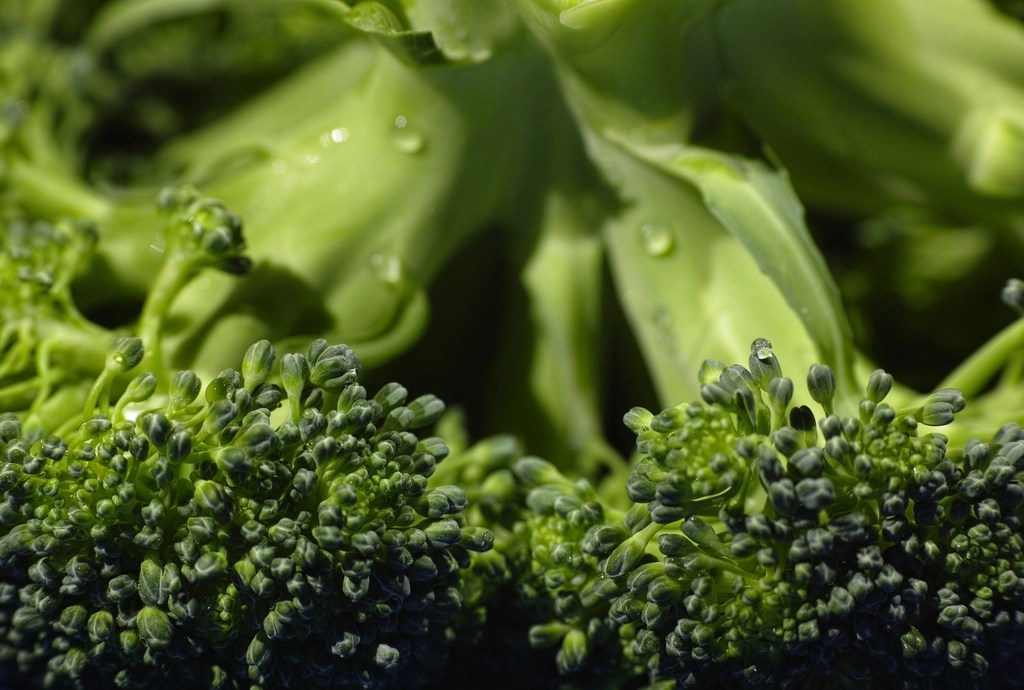
The term goitrogen refers to a group of compounds that can interferer with thyroid function and increase the likelihood of developing goitre. The dietary goitrogens, called glucosinolates, are a class of over 120 compounds that are primarily found in the Brassica family of vegetables, such as kale, broccoli, brussels sprouts, and cabbage. It is thought that goitrin, which is produced from progoitrin (a glucosinolate precursor), and thiocyanate (a glucosinolate breakdown by-product), can have adverse effects on thyroid function by inhibiting the thyroid’s utilization and uptake (inhibiting sodium/iodine symporter of follicular thyroid cells) of iodine and inhibiting thyroid peroxidase (TPO). To counteract intaking a higher amount of dietary goitrogens, boiling ca reduce over 50% of the glucosinolates, as well as freezing and microwaving (Petroski & Minich, 2020) & (López-Moreno et al, 2022).
Despite their negative reputation, goitrogens have been studied for their potential to prevent cancer, induce apoptosis and phase 2 detoxification enzymes, regulate redox reactions, and inhibit phase 1 detoxification enzymes. Additionally, sulforaphane, an isothiocyanate from cruciferous vegetables, has been shown to have an apoptotic and anti-proliferative effect in thyroid cancer cells and glucoraphanin, a glucosinolate from broccoli that forms isothiocyanate sulforaphane, can modulate the expression of oncogenes related to inflammation processes and inhibit prostate cancer progression. Other isothiocyanates in Brassica vegetables have also been shown to inhibit carcinogenesis or induce cancer cell growth arrest and apoptosis in other cell types, including breast, bladder, colon, ovary, blood, and skin (Becker & Juvik, 2016).
Phytoestrogens
Also known as phytosterols, phytoestrogens are compounds that mimic the action of estrogen in the body. They are found in a variety of plants and legumes, including soybean, wheat, rice, chickpea, alfalfa, lupin, groundnut, linseed, and soybean. Soybean is one of the most cited sources of phytoestrogens called lavones (isoflavones), which include genistein (the most prominent), daidzein, and coumestrol (Thakur et al, 2019). They mimic the actions of estrogen because they are structurally similar to 17-
Given that phytoestrogens have hormonal actions, it is possible that they can exert endocrine-disrupting effects in certain people but also be beneficial in cases where there is a lack of endogenous hormone production. For example, a meta-analysis of studies on phytoestrogen supplementation found that phytoestrogens improve hot flashes compared to placebo. Even though phytoestrogens did not significantly improve other symptoms of menopause, they did improve other signs associated with menopause, such as attenuating bone mineral density loss and improving blood pressure and glycaemic control (Chen et al, 2014). On the downside, phytoestrogens can suppress circulating estrogen and progesterone levels and attenuate the luteinizing hormone (LH) and follicle-stimulating hormone (FSH) pre-ovulation so women with menstrual cycle irregularities or who are trying to become pregnant may need to be mindful of their soy-based food intake.
It seems that the most pressing concerns regarding phytoestrogens, are related to endocrine-disrupting effects during development, as manipulating estrogen throughout gestation or early infancy has been linked to a myriad of adverse health outcomes, including reproductive system malformations, reduced fertility, disrupted brain organization, and reproductive tract cancers. Infants given a soy-based formula could consume over seven times the isoflavone content than adults meeting the FDA soy consumption guidelines, and this can equate to having circulating phytoestrogen levels that are 13000-22000 times higher than their endogenous estrogen levels (Patisaul & Jefferson, 2010).
Tannins
Tannins are polyphenols that cues the astringent, bitter taste of the foods that contain them. Tannins are classified into two groups, condensed, which are found in legumes and seeds, and hydrolysable tannins. The anti-nutrient effect of tannins is caused by their ability to interfere with protein digestion, by inhibiting digestive enzymes, such as trypsin, chymotrypsin, amylase and lipase, and by interfering with iron absorption (Thakur et al, 2019). However, a paradoxical effect has been noted with tannins by decreasing rumen degradation of dietary protein, which resulted in an increase in absorption of amino acids in the small intestine, enabling dietary protein bypass from the rumen for digestion in the lower digestive tract (Hassanpour et al, 2011).
Tannins are chemically reactive and can form intra/inter-molecular hydrogen bonds with proteins and carbohydrates. This mechanism explains their plant defence mechanism but also their antioxidant, anticarcinogenic, immunomodulatory, detoxifying, and cardioprotective effects. However, their chelating abilities can also interfere with the absorption of minerals, such as iron, copper, and zinc. Most of the research linking tannin consumption with inhibition of mineral absorption has focused on iron and has shown that consuming tannins (drinking tea) directly with a meal containing non-heme iron, can result in a decreased absorption of iron but not if consumed an hour after the meal (Petroski & Minich, 2020). Tannins in tea have also been linked to lower haemoglobin and ferritin levels via their interference with haematological iron and they can form complexes with iron and digestive enzymes and in turn, negatively influence the growth of bacteria in the gut flora and render certain enzymes inactive (Nath et al, 2022).
Lectins (hemagglutinins)
Lectins in plants are a family of over 500 compounds that are carbohydrate-binding proteins and function as a defence against insects, mould, fungi, and diseases. Even though they are found in many fruits and vegetables, raw legumes and whole grains are significantly higher in lectins. Consumption of improperly cooked legumes have been linked to cases of food poisoning due phytohemagglutinin (a lectin) poisoning, which is easily prevented by cooking for just 10 minutes. A strong affinity to glycans, makes lectins a potential adjunct in cancer treatment and diagnostics because lectins can identify cancer cells by their secretion of unusual glycan structures and lectins from lentils, chickpeas, peas, and common beans have shown anti-proliferative activity against certain cancer cell types (Petroski & Minich, 2020)
Given their affinity for binding to certain carbohydrate groups, lectins have been shown to agglutinate (clump together) red blood cells by binding to their glycoproteins and glycolipids. Additionally, because they are relatively resistant to enzymatic breakdown and thus, may pass the stomach unscathed and interact with intestinal epithelial cells, modifying intestinal permeability but this response seems to be dose dependent. However, proper cooking can drastically reduce the hemagglutinin content in food, as boiling for one hour resulted in a reduction of lectin content in pulses between 94% and 100%. Despite their potentially negative effects, isolated lectins in a pharmaceutical setting have been shown to have antiangiogenic, antimetastatic, antiproliferative, and antimicrobial activity, making lectins a potentially useful adjunct in cancer and infection treatment (Nath et al, 2022).
In conclusion, the challenging thing about removing certain food groups from the diet, to prevent or mitigate the potentially harmful effects that some of their naturally occurring compounds may have, is that by eliminating a food group from the diet, you are also eliminating a variety of compounds and minerals in that food group that are beneficial, if not essential (can only come from the diet). Therefore, it’s important to consider the grounds in which eliminating a food group will benefit a person. This should be judged on a case-by-case basis, and I believe that eliminating food groups that contain “anti-nutrients” can benefit certain people, such as someone with an overt thyroid condition can benefit from removing sources of goitrogens, or someone with a mental health condition who is need of maximising their intake of minerals that support their neurotransmitter production, may benefit from avoiding foods that are dense in phytates and oxalates and to properly cook those that do contain such anti-nutrients. It is evident that consumption of anti-nutrient-rich foods within the context of a balanced diet will unlikely cause adverse effects.
References
Becker, T.M. & Juvik, J.A. (2016). The role of glucosinolate hydrolysis products from Brassica vegetable consumption in inducing antioxidant activity and reducing cancer incidence. Diseases, 4(2), 22. https://doi.org/10.3390/diseases4020022
Chen, M.N., Lin, C.C. & Liu, C.F. (2014). Efficacy of phytoestrogens for menopausal symptoms: a meta-analysis and systematic review. Climacteric, 18(2), 260-269. https://doi.org/10.3109/13697137.2014.966241
Hassanpour, S., Maheri-Sis, N., Eshratkhah, B. & Mehmandar, F.B. (2011). Plants and secondary metabolites (Tannins): a review. International journal of forest, soil and erosion, 1(1), 47-53. http://www.ijfse.com/uploadedfiles/IJFSEArchive/IJFSE2011/1-1-2011-%20Nov/1-1-2011—%208-47-53.pdf
Kumar, V., Sinha, A.K., Makkar, H.P.S. & Becker, K. (2010). Dietary role of phytate and phytase in human nutrition: a review. Food chemistry, 120(4), 945-959. https://www.researchgate.net/profile/Vikas-Kumar-64/publication/260795031_Dietary_roles_of_fiber_on_the_clinical_health_of_gastrointestinal_tract_of_humans/links/00b7d5325fbf55b89a000000/Dietary-roles-of-fiber-on-the-clinical-health-of-gastrointestinal-tract-of-humans.pdf
López-Moreno, M., Garcés-Rimon, M. & Miguel, M. (2022). Antinutrients: lectins, goitrogens, phytates and oxalates, friends or foe? Journal of functional foods, 89, 104938. https://doi.org/10.1016/j.jff.2022.104938
Nath, H., Samtiya, M. & Dhewa, T. (2022). Beneficial attributes and adverse effects of major plant-based foods anti-nutrients on health: a review. Human nutrition & metabolism, 28, 200147. https://doi.org/10.1016/j.hnm.2022.200147
Noonan, S.C. & Savage, G.P. (1999). Oxalate content of foods and its effects on humans. Asia pacific journal of clinical nutrition, 8(1), 64-74. https://apjcn.nhri.org.tw/server/apjcn/8/1/64.pdf
Patisaul, H.B. & Jefferson, W. (2010). The pros and cons of phytoestrogens. Frontiers in neuroendocrinology, 31(4), 400-419. https://doi.org/10.1016/j.yfrne.2010.03.003
Petroski, W. & Minich, D.M. (2020). Is there such a thing as “anti-nutrients”? a narrative review of perceived problematic plant compounds. Nutrients, 12(10), 2929. https://doi.org/10.3390/nu12102929
Selvam, R. (2002). Calcium oxalate stone disease: role of lipid peroxidation and antioxidants. Urological research, 30(1), 35-47. https://doi.org/10.1007/s00240-001-0228-z
Thakur, T., Sharma, V. & Thakur, A. (2019). An overview of anti-nutritional factors in food. International journal of chemical studies, 7(1), 2472-2479. https://www.researchgate.net/profile/Dr-Thakur-11/publication/336983167_An_overview_of_anti-nutritional_factors_in_food/links/5dbd3666a6fdcc2128f92574/An-overview-of-anti-nutritional-factors-in-food.pdf
 Nutrition apothecary
Leave a comment